
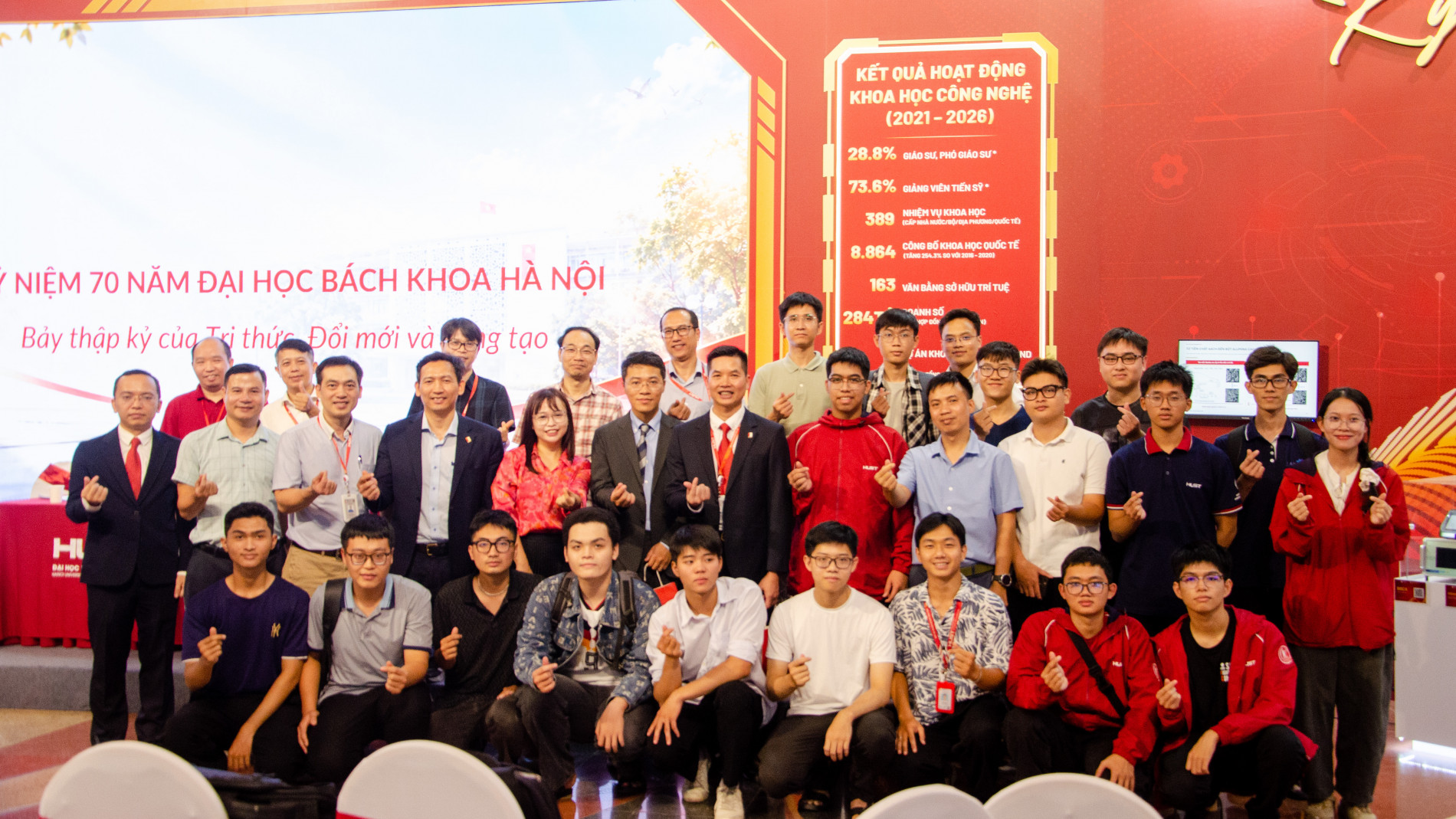
Featuring expert presentations on robotics and artificial intelligence, the talk show explored recent advances in AI applications for modern mechanical systems, their potential in research, design and manufacturing, and the opportunities and challenges facing engineers in the digital era.
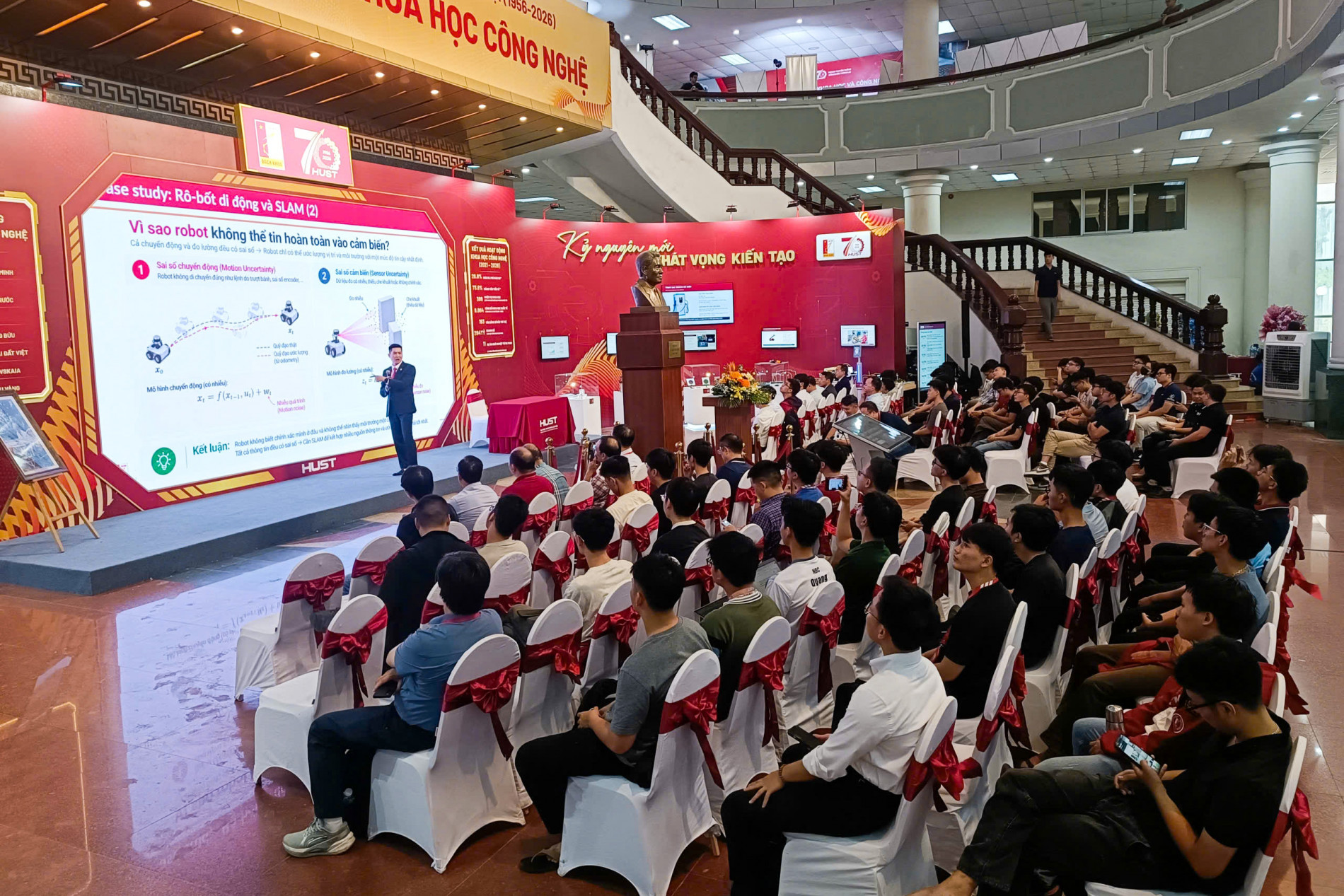
From Automated Machines to Intelligent, Interactive Robots
In his presentation, “Intelligent Robotics in the Era of Artificial Intelligence,” Assoc. Prof. Dr. Nguyen Xuan Ha, Senior Lecturer in the Robotics Professional Group, Department of Mechatronics, School of Mechanical Engineering, outlined the evolution of robotics, from machines operating according to fixed programs to intelligent systems capable of perceiving their surroundings, learning, reasoning, making decisions and interacting with humans.
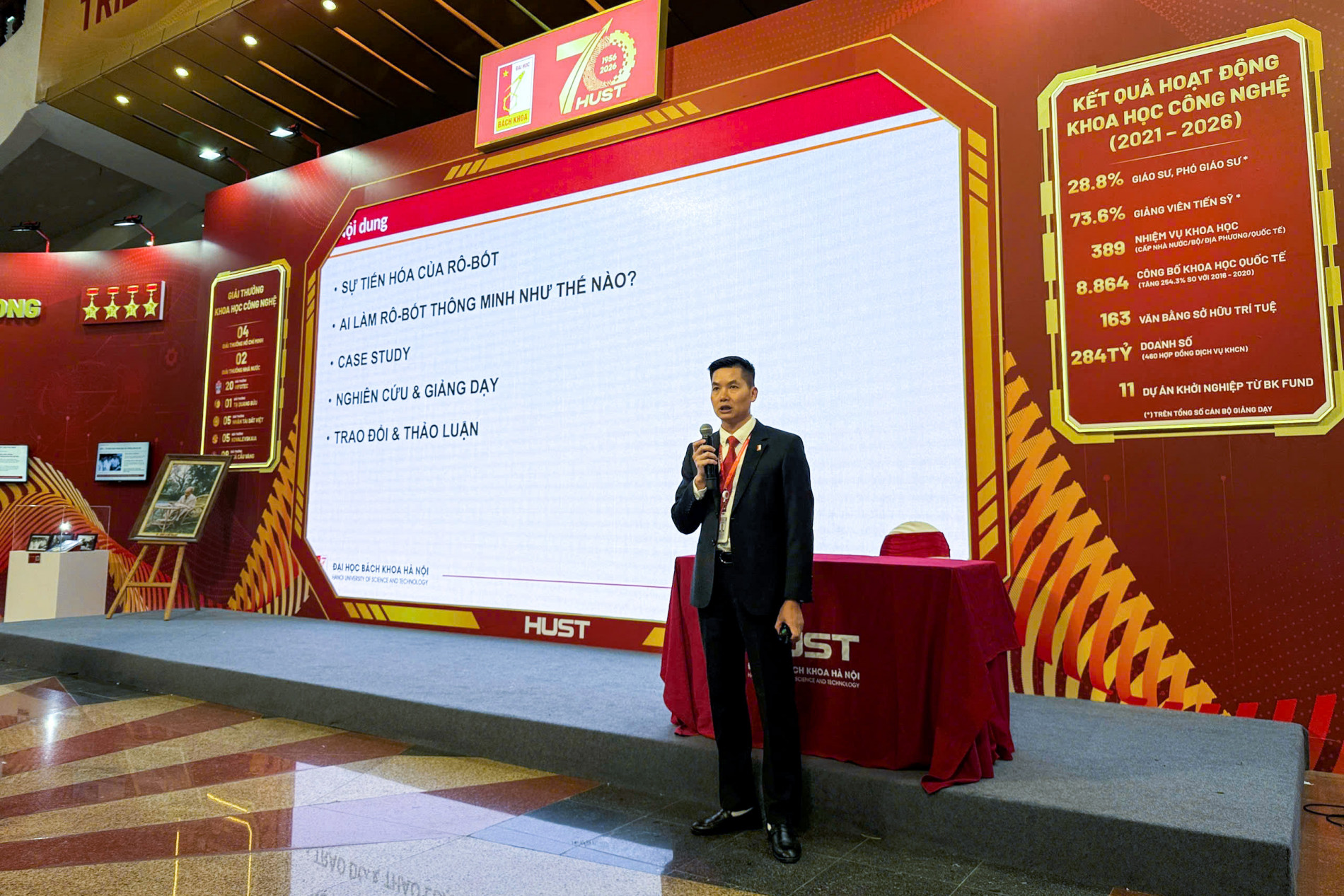
Through an introduction to prominent technological developments, including Physical AI, Embodied AI, Generative AI, Vision–Language–Action (VLA) and humanoid robotics, the presentation offered insights into how AI is transforming robots' capabilities and expanding their applications in manufacturing and everyday life.
Beyond highlighting emerging technologies, the speaker analyzed the opportunities and challenges facing Vietnam in researching, developing and mastering intelligent robotics. Developing a highly skilled workforce, strengthening scientific research and enhancing collaboration between universities and businesses were identified as important factors in building domestic technological capabilities.
The presentation also emphasized the role of successive generations of HUST engineers in embracing innovation, developing creative solutions and mastering advanced technologies, thereby helping translate AI achievements into practical applications.
AI for the Physical World: From Prediction to Creation
Continuing the program, Dr. Truong Quoc Chien delivered a presentation entitled “AI for the Physical World: From Prediction to Creation in Modern Mechanical Engineering.” His talk examined the changing role of AI, from a tool for data analysis and prediction to a technology increasingly capable of contributing directly to the discovery, design and fabrication of physical systems.
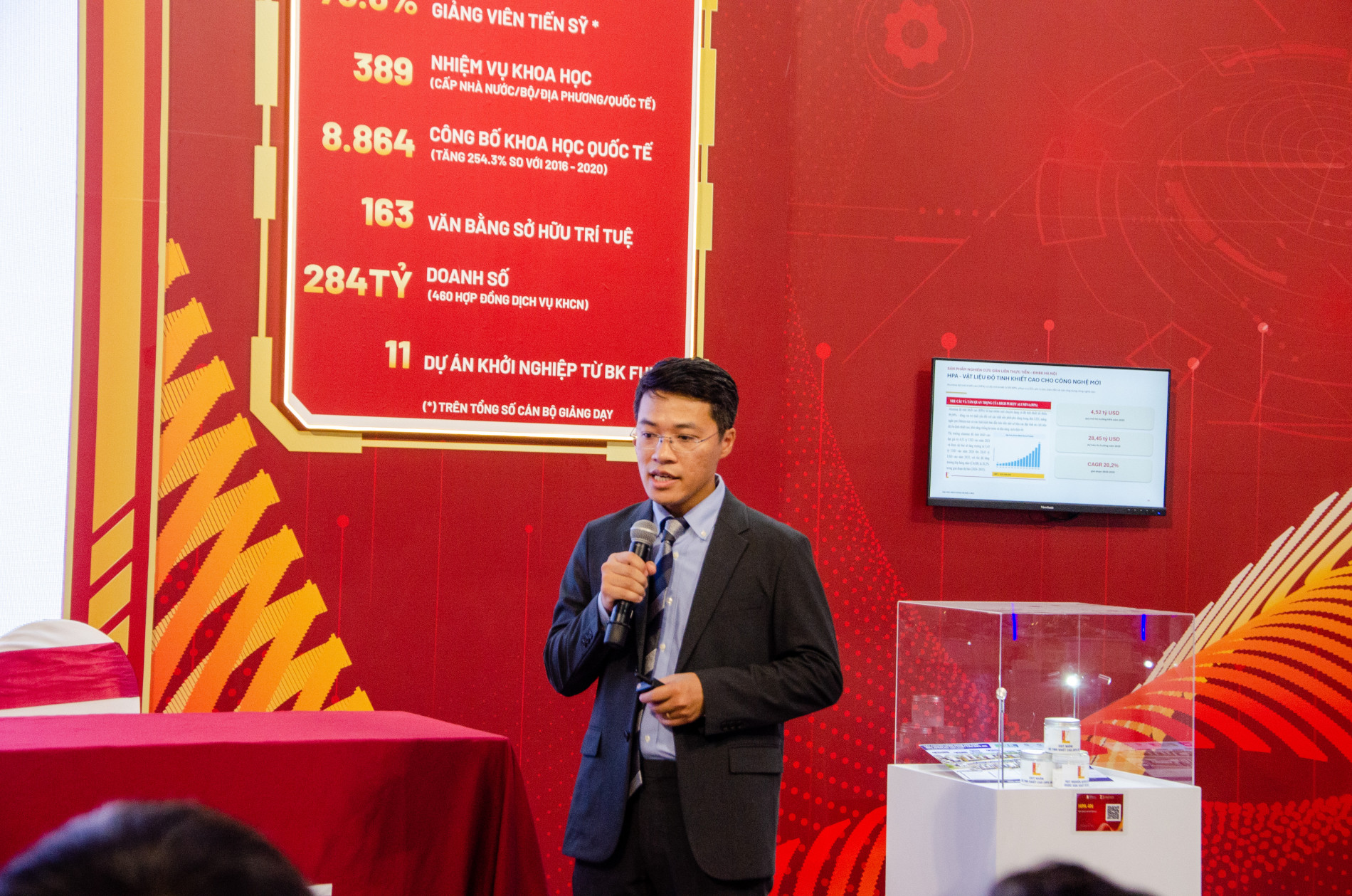
Previously, AI was primarily used for applications such as image recognition, machine fault detection and equipment lifespan estimation. Today, it is opening up new possibilities, including proposing new materials, designing previously unexplored structures and learning to control robots in real-world environments. AI is therefore moving beyond helping humans understand and predict the world towards actively contributing to the creation of new engineering solutions.
However, a significant gap remains between an optimized design generated on a computer and a product that performs effectively in real-world conditions. Material limitations, friction and discrepancies between simulations and actual operating environments all demonstrate the need to combine AI with physical principles and experimental validation.
Drawing on examples from scientific and engineering research, the presentation raised several important questions: How is AI transforming the way we design and manufacture? What expectations should we place on this technology? And what roles will remain irreplaceable for engineers and scientists as modern mechanical systems continue to evolve?
Connecting Knowledge and Strengthening Collaboration Between Academia, Industry and Students
In addition to the technical presentations, the talk show featured a discussion session bringing together the speakers, business representatives, university staff and students. The session provided an opportunity to exchange perspectives on AI applications in mechanical engineering, emerging requirements for technical professionals, and future directions for technological research and development.
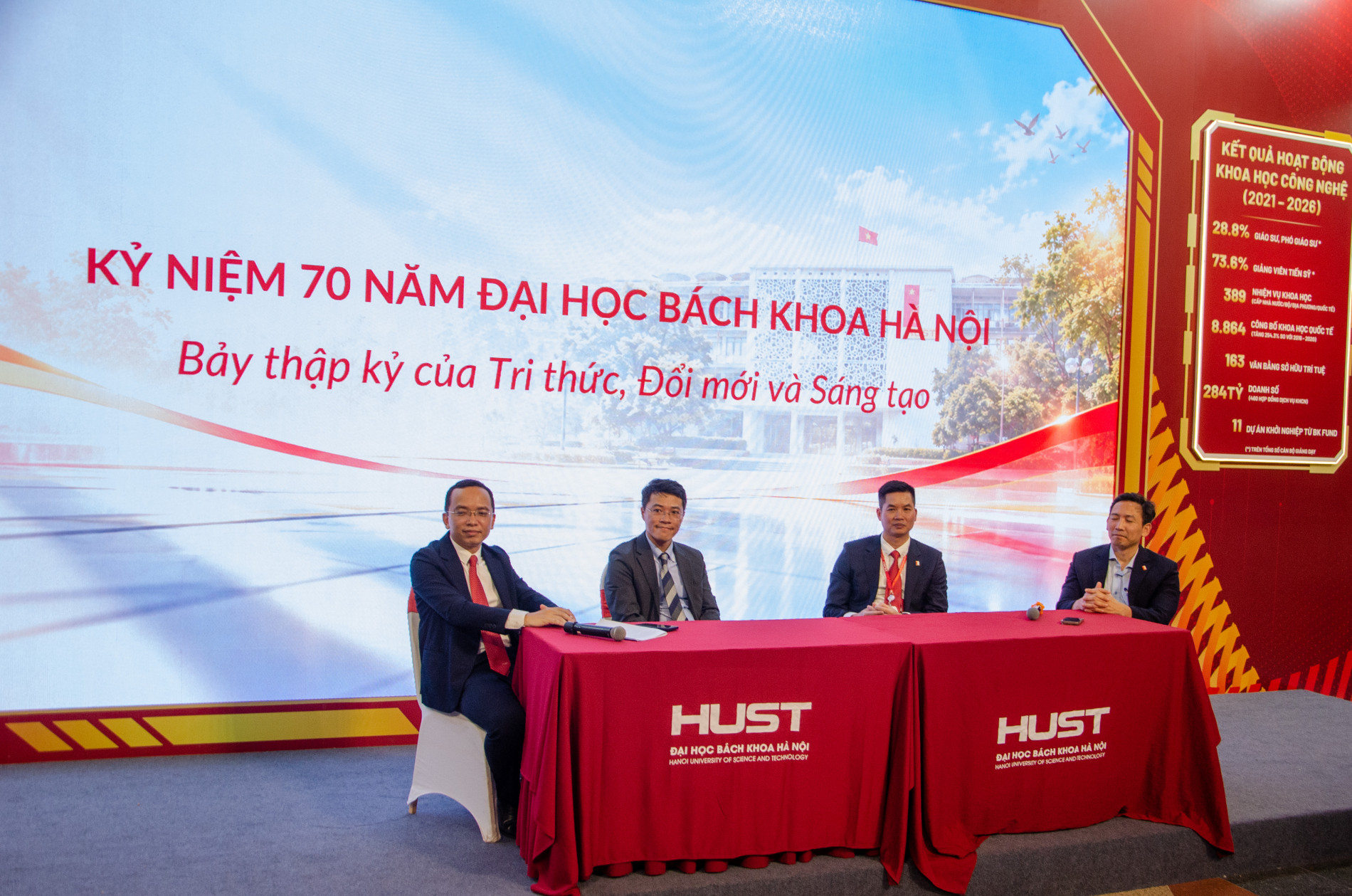 | 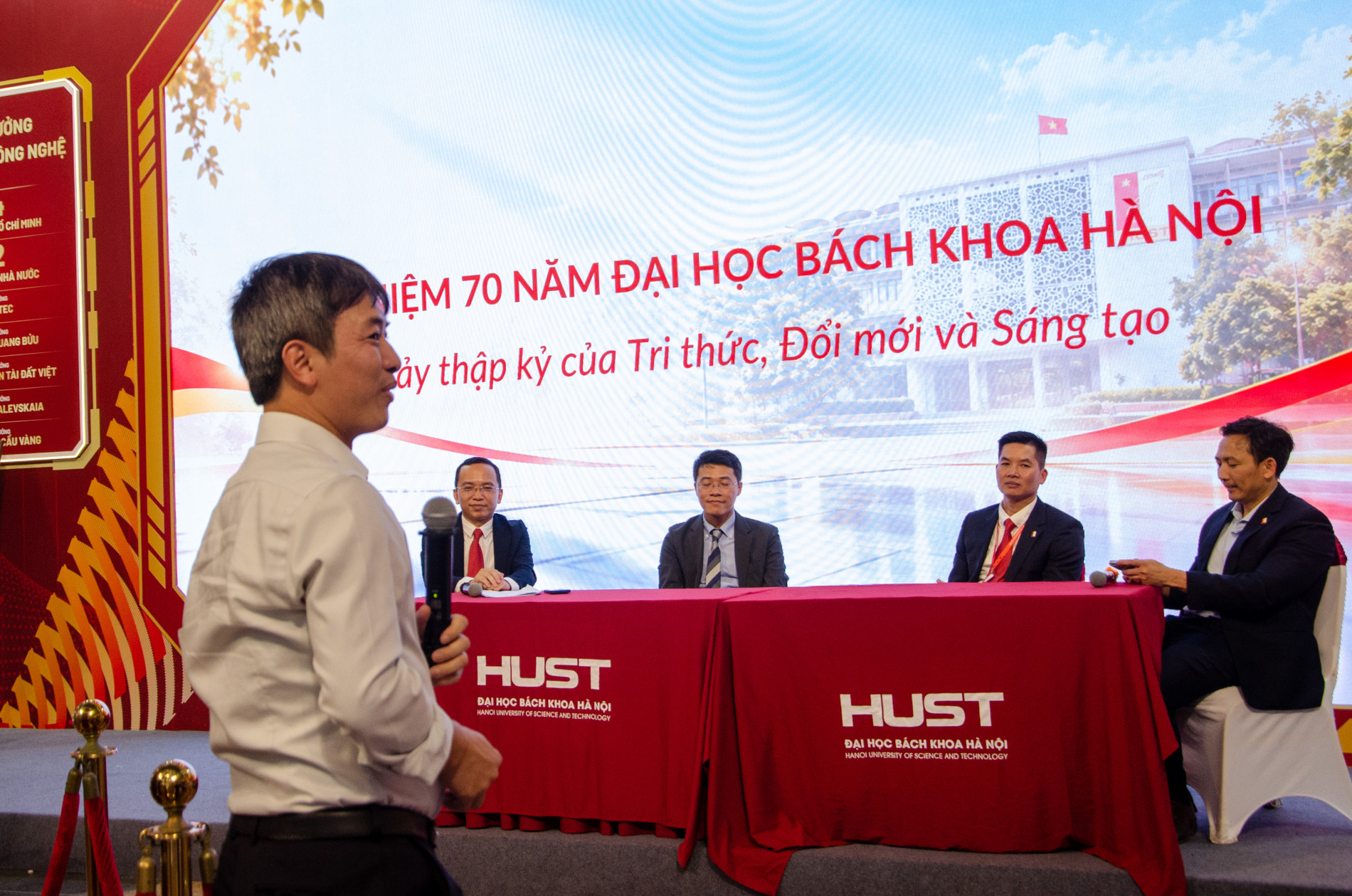 |
Discussion between the speaker and the scientists attending the talk show.
By connecting perspectives from research, education and industrial practice, the discussion helped clarify opportunities to apply AI to specific engineering challenges while encouraging students to update their knowledge, develop interdisciplinary thinking and strengthen their ability to master emerging technologies.
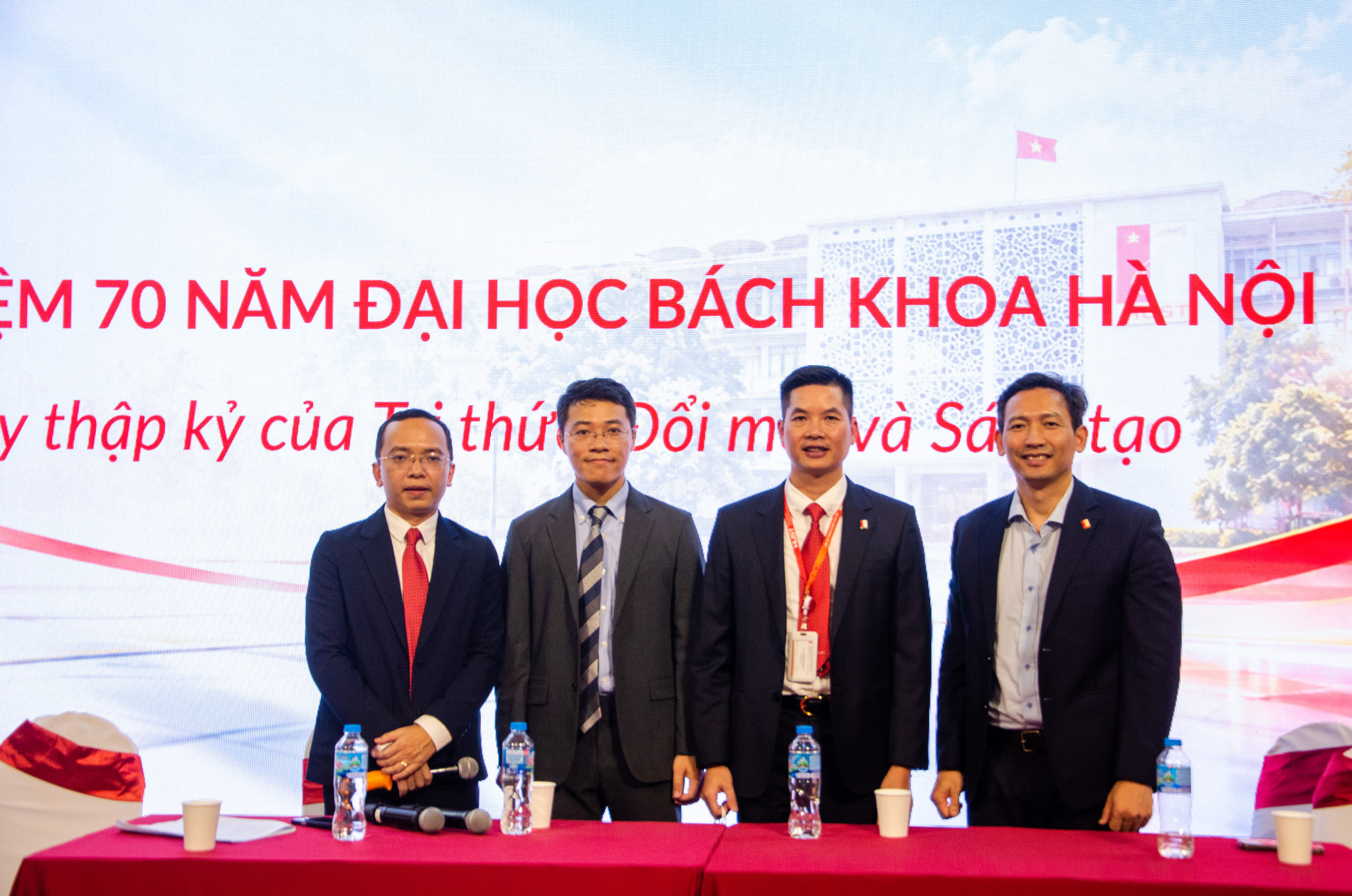
Held as part of the celebrations marking HUST's 70th anniversary, the talk show contributed to promoting scientific and technological achievements, encouraging academic exchange and strengthening connections between the university and industry.
Through this initiative, the School of Mechanical Engineering reaffirmed its commitment to integrating education with scientific research, innovation and the practical needs of industry. The event also provided lecturers and students with further opportunities to engage with emerging technological trends, helping prepare a new generation of mechanical engineers equipped to adapt to and master technologies in the era of artificial intelligence.
Author: Nguyễn Hải Thanh
Reader Comments
Newer articles
Older articles