In the context of the mechanical engineering sector shifting rapidly toward digitalization and smart manufacturing, engineering education is no longer limited to classroom knowledge but must be tightly linked to practical production. With this orientation, the School of Mechanical Engineering at Hanoi University of Science and Technology (HUST) consistently focuses on expanding enterprise cooperation to bring modern technology closer to students.
Following this strategy, the Department of Mechanical and Manufacturing Engineering has guided and supported the Metal Forming Specialization in proactively building an extensive partnership network with numerous domestic and foreign enterprises. These collaborative activities not only enhance overall training quality but also open outstanding research, internship, and career development opportunities for students majoring in Metal Forming right from their early university years.
Modern Technology on Campus
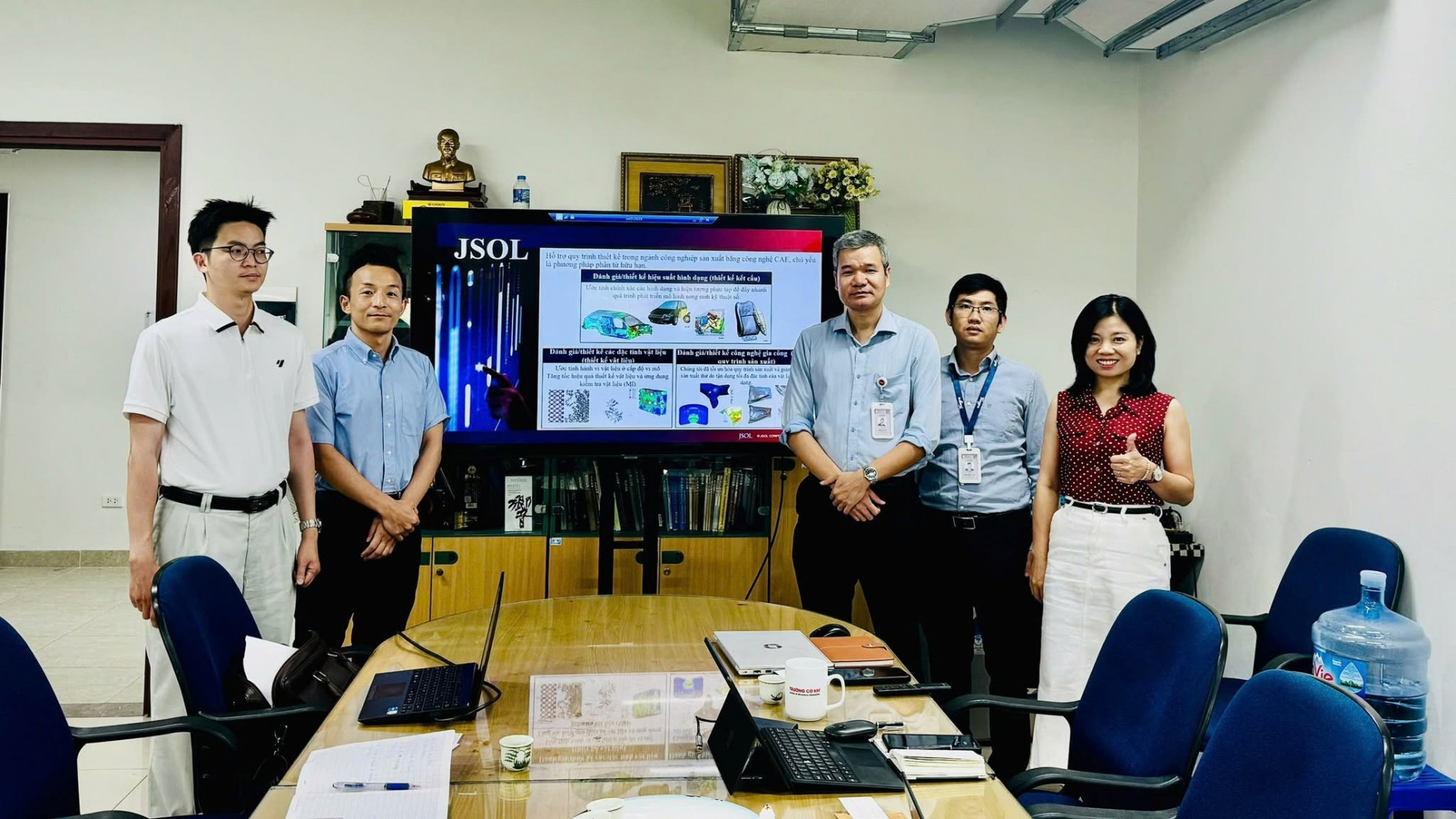
Bringing industry into the classroom is a strategic highlighted by the Department of Mechanical and Manufacturing Engineering and actively implemented within the Metal Forming Specialization. Through seminars and specialized training courses, students gain direct access to cutting-edge production technologies.
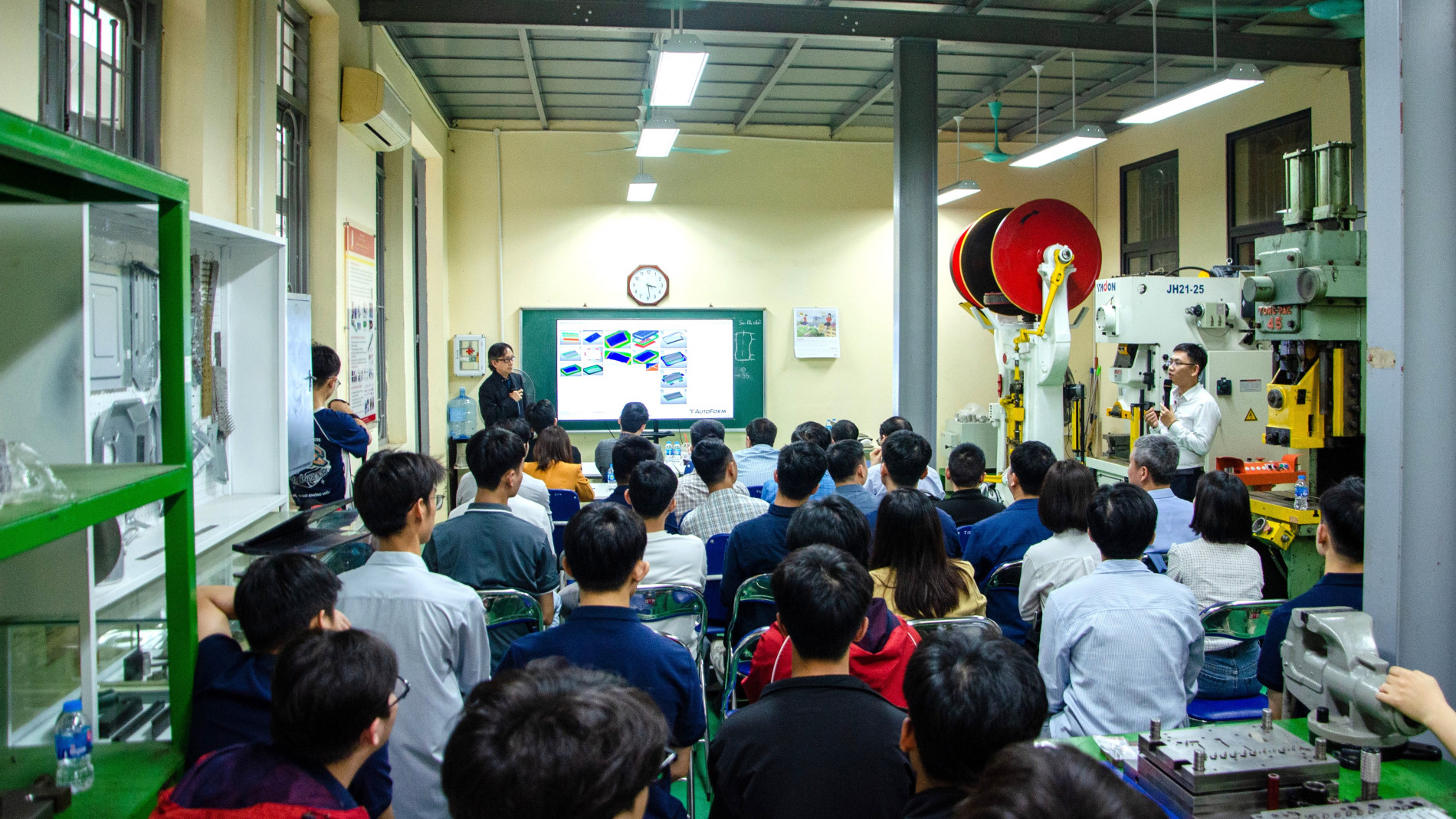
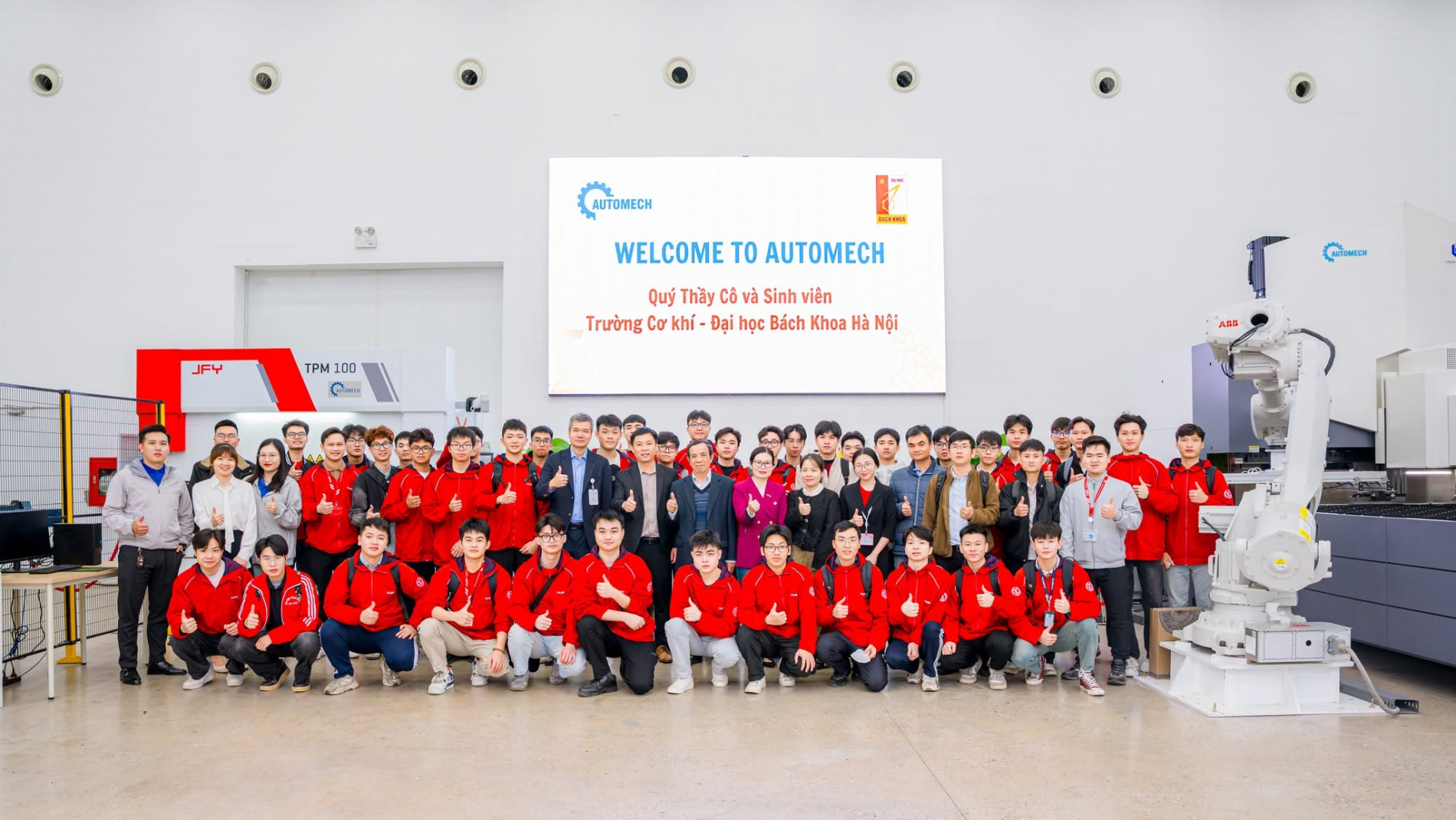
A prime example is the joint program with AutoForm, which helps students embrace digitalization trends in the sheet metal forming industry, practice on AutoForm simulation software, and engage directly with experts. Additionally, collaborative programs with major partners like NTN Bearing and AUTOMECH provide practical insights into industrial equipment, manufacturing processes, and core human resource demands, effectively bridging the gap between theory and reality.
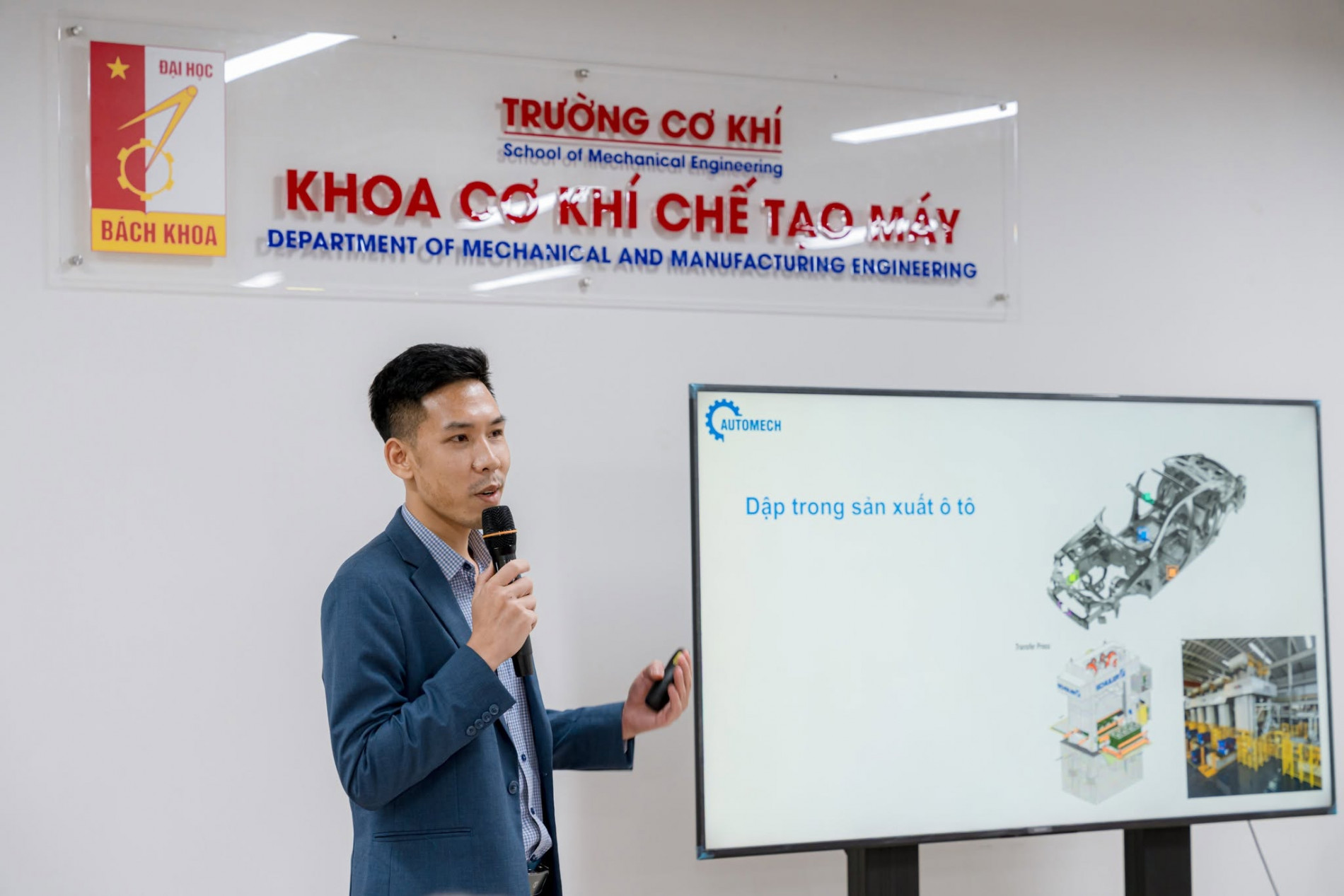 | 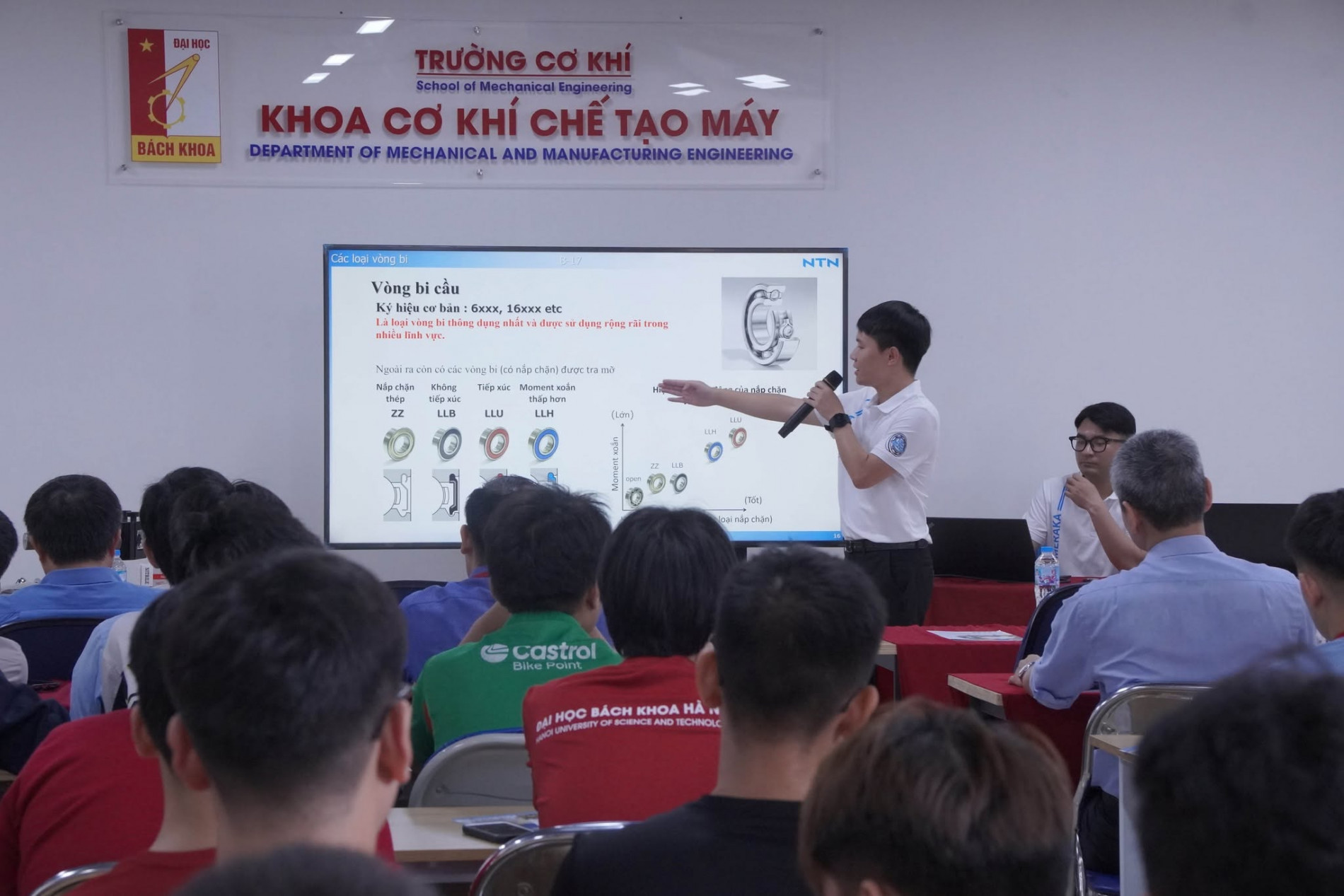 |
Enterprises sharing Sheet Metal forming and Bearing Technology
Experiencing Domestic and International Production Environments
In tandem with classroom learning, students participate in factory visits, corporate internships, applied research projects, and graduation theses tailored to real-world industrial problems.
| 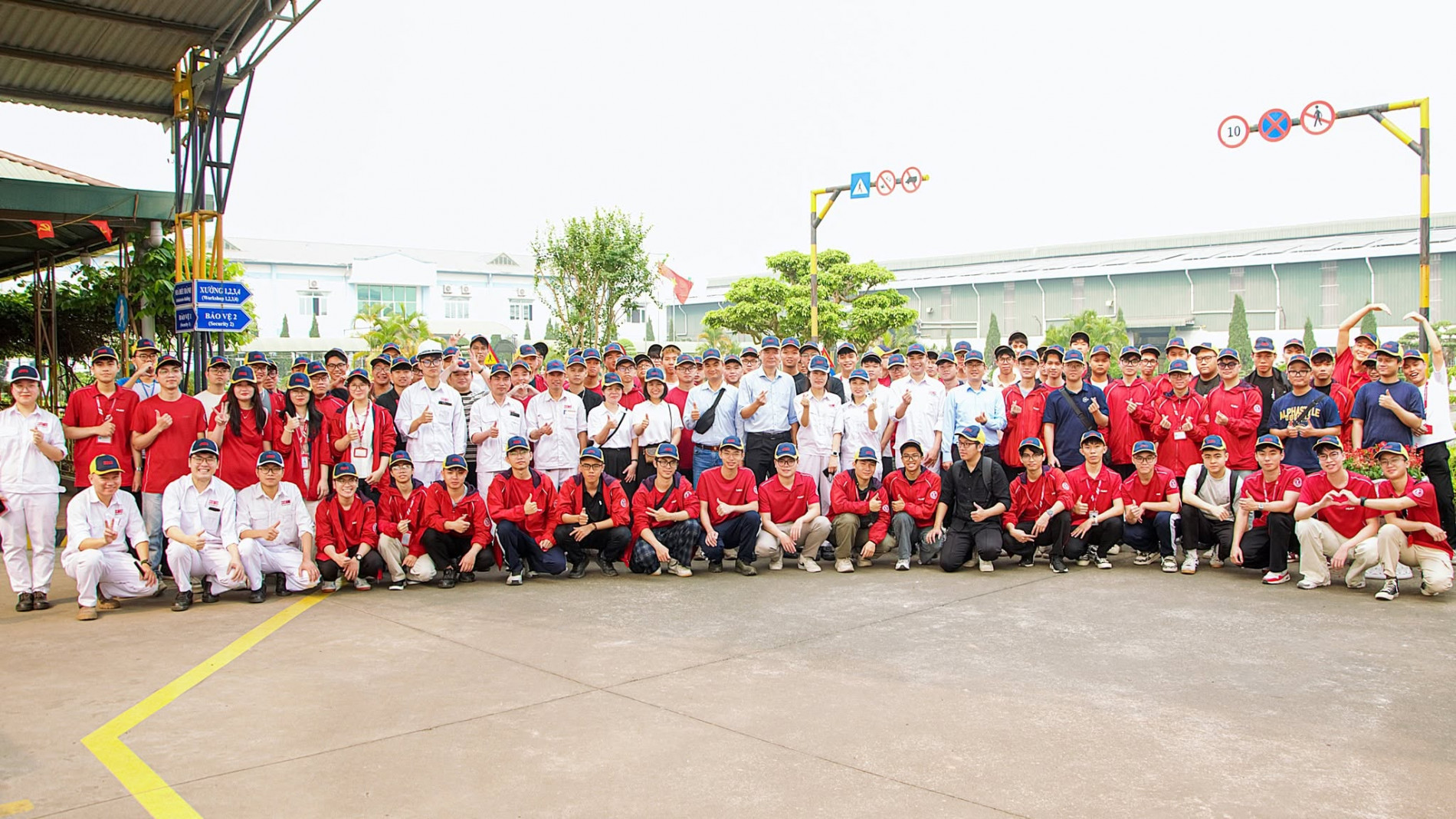 |
Various experiential factory tour activities
Many students have also secured internships at TOA Industries (Japan). Here, they directly experience modern manufacturing environments, adopt advanced management processes, and refine their professional competence, foreign language proficiency, and workplace etiquette in an international setting. These invaluable experiences significantly enhance the global integration capacity and adaptability of future engineers.
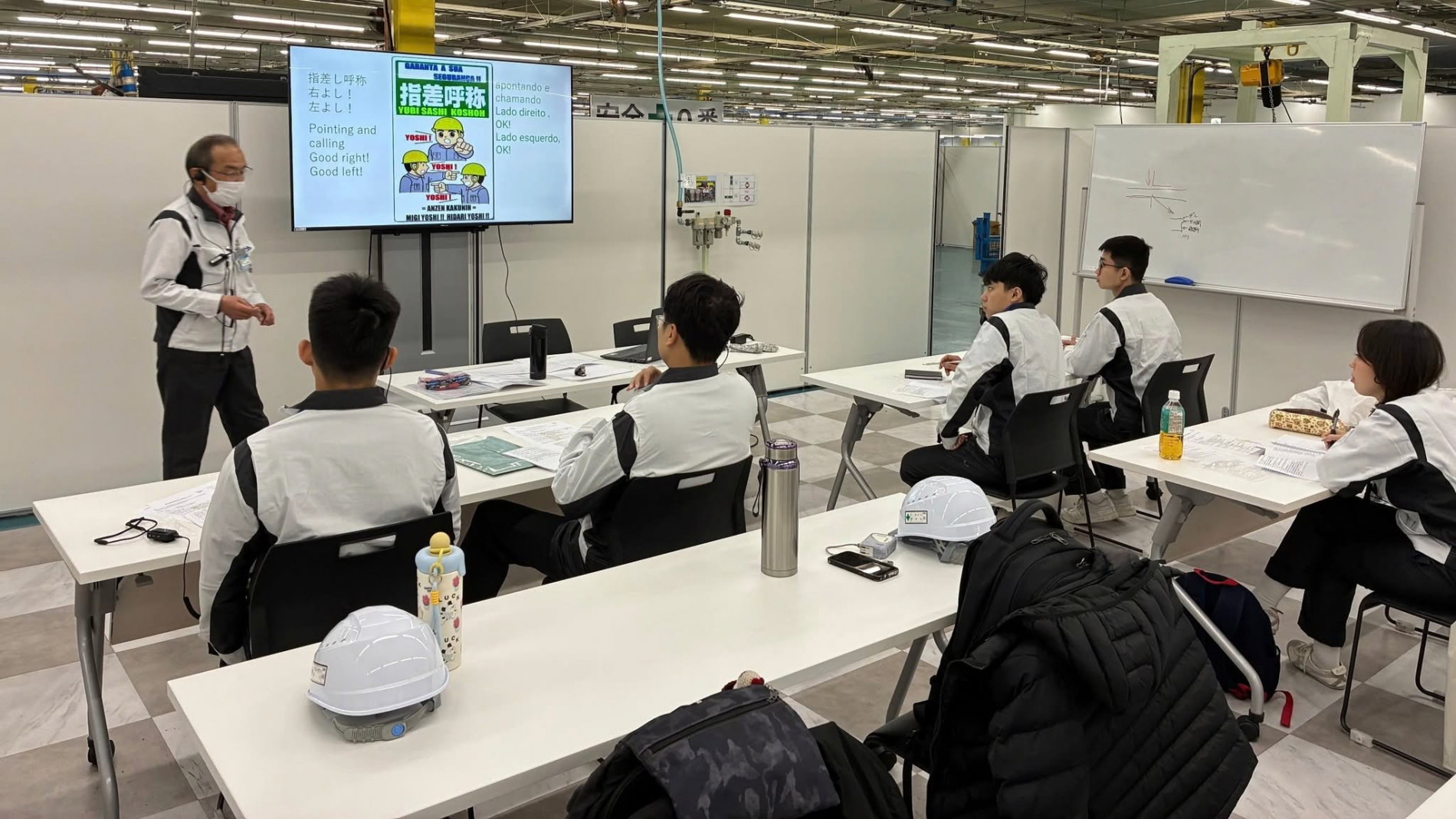 | 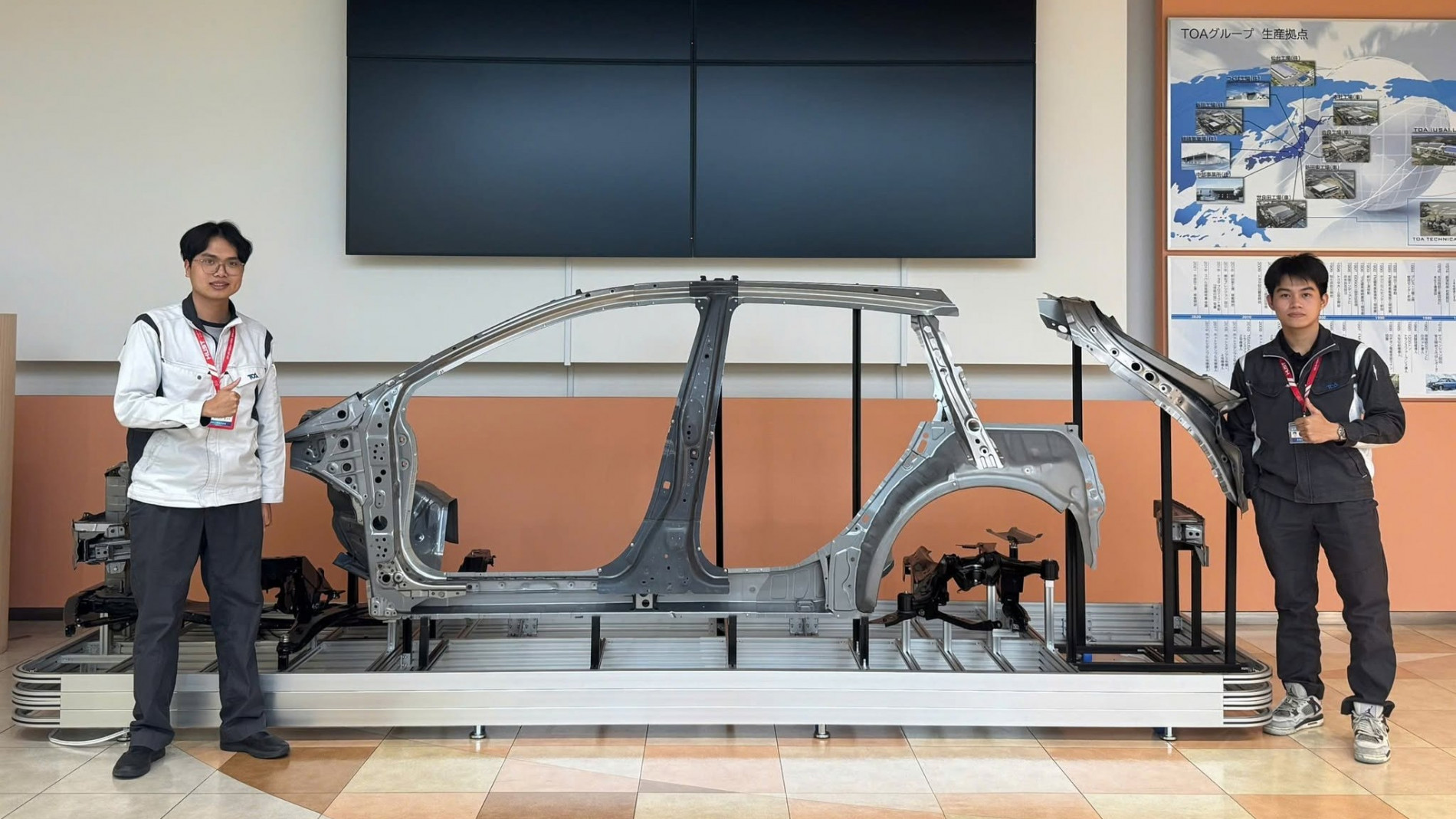 |
Students interning at TOA Industries (Gunma, Japan).
Research and Innovation Hand-in-Hand with Enterprises
In line with the research-oriented development of the Department of Mechanical and Manufacturing Engineering, specialized laboratories such as the BKAD Smart Die Lab and MFF Lab under the specialization serve as vital bridges. Here, faculty, businesses, and students co-develop applied research, drive technology transfer, and resolve actual production bottlenecks.
This model fosters a project-based learning environment, helping students simultaneously develop research capacity, innovative thinking, and corporate collaboration skills. Early engagement in undergraduate research also establishes a strong foundation for students to pursue higher education or join Research and Development (R&D) divisions right after graduation.
Affirming Capability through Specialized Competitions
Beyond academic studies and internships, students from the Metal Forming Specialization actively participate in professional competitions. A standout example is the Vietnam Mold & Die Competition, where students apply their knowledge to solve complex design, manufacturing, and mold optimization problems in a highly practical and competitive arena.
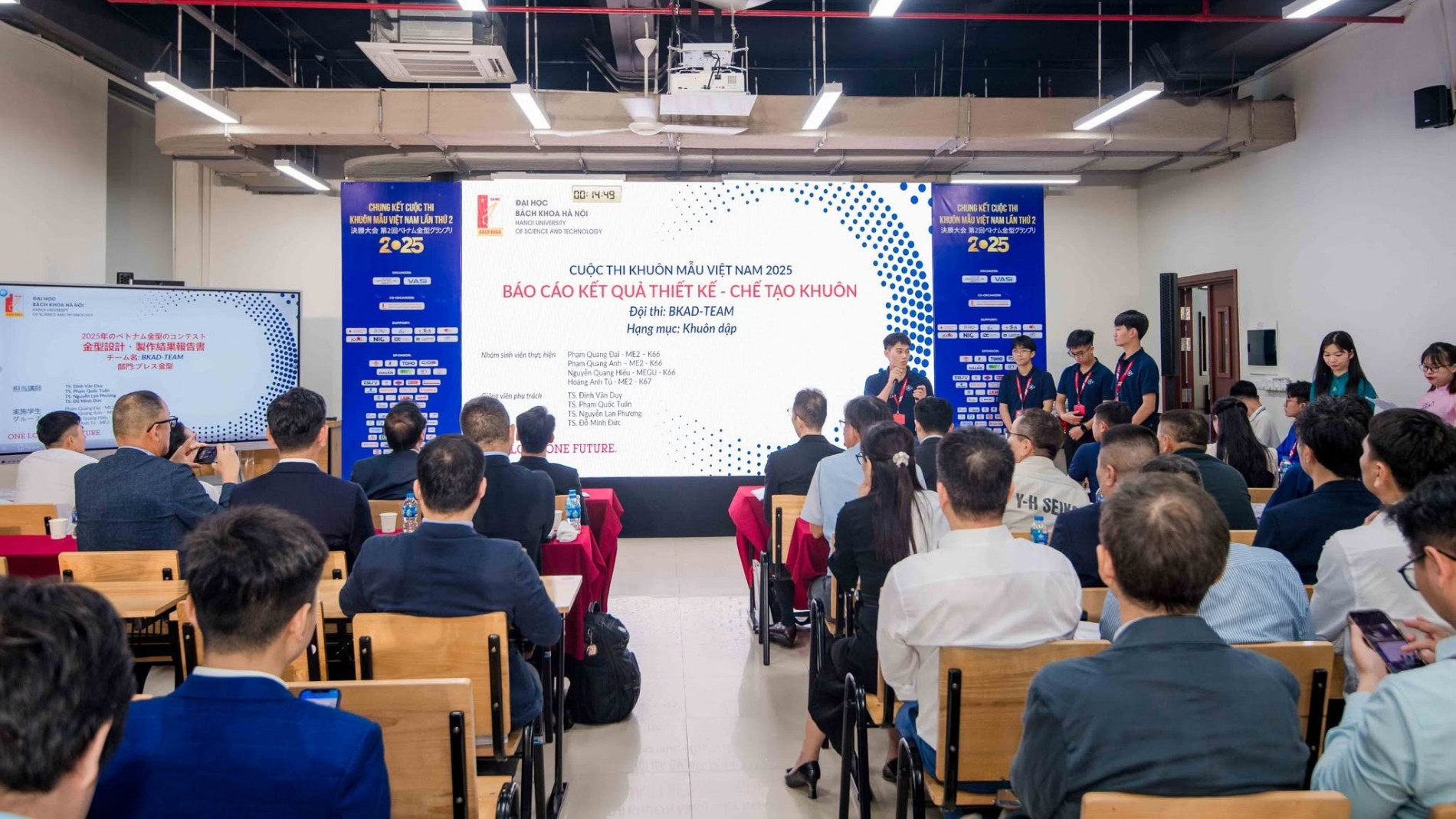
The preparation and competition phases help students consolidate theoretical knowledge, sharpen design thinking, and improve teamwork, project scheduling, and problem-solving skills. Simultaneously, it offers opportunities to network with industry experts, enterprises, and peers nationwide, gradually affirming the professional competence and mettle of Metal Forming students.
Enterprise Integration in the Training Process
The partnership between enterprises and the Department of Mechanical and Manufacturing Engineering—and the Metal Forming Specialization specifically—is comprehensive. It ranges from sponsoring software licenses and equipment to participating in curriculum advisory councils, hosting interns, co-supervising theses, and recruiting graduates.
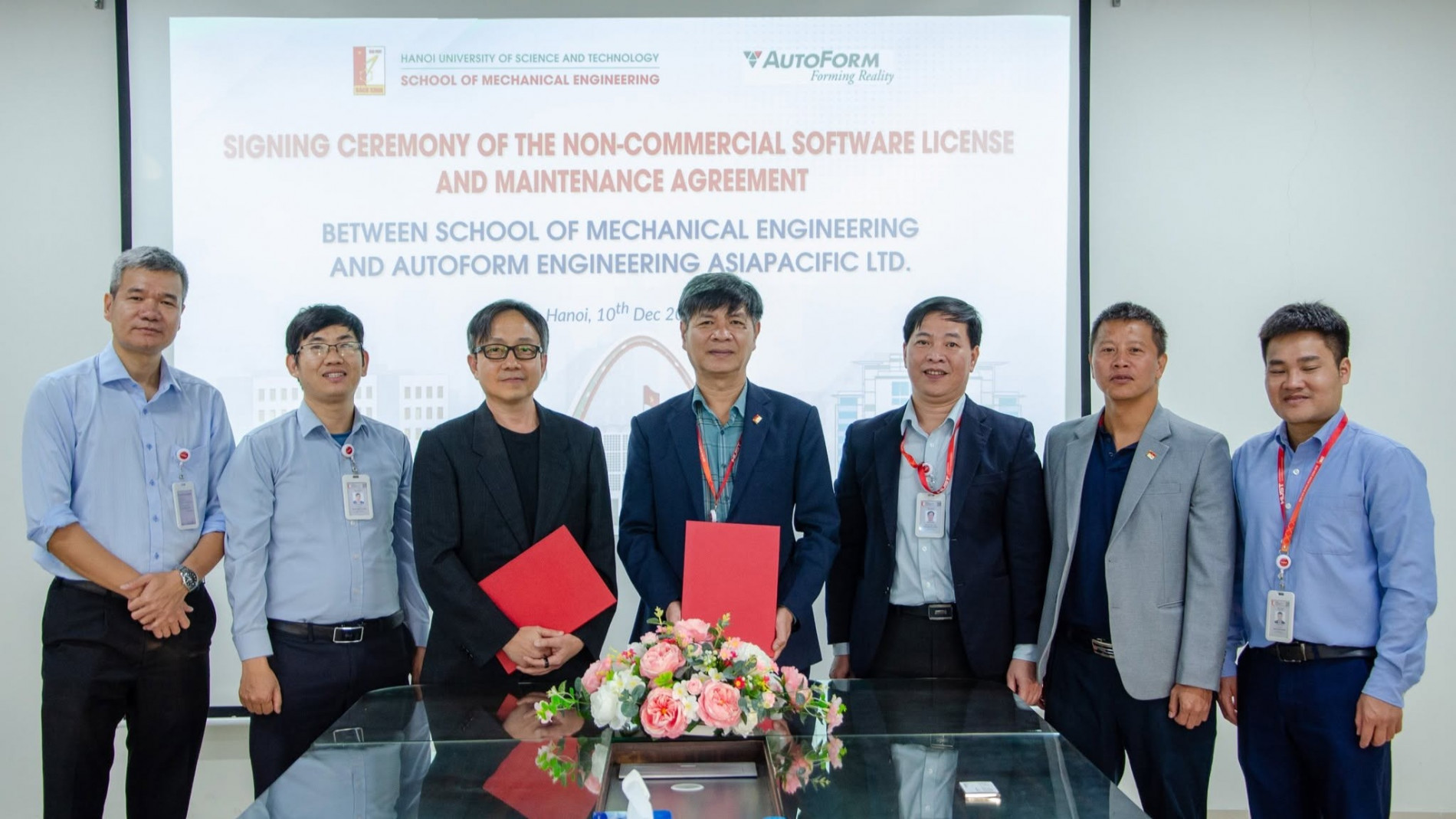 | 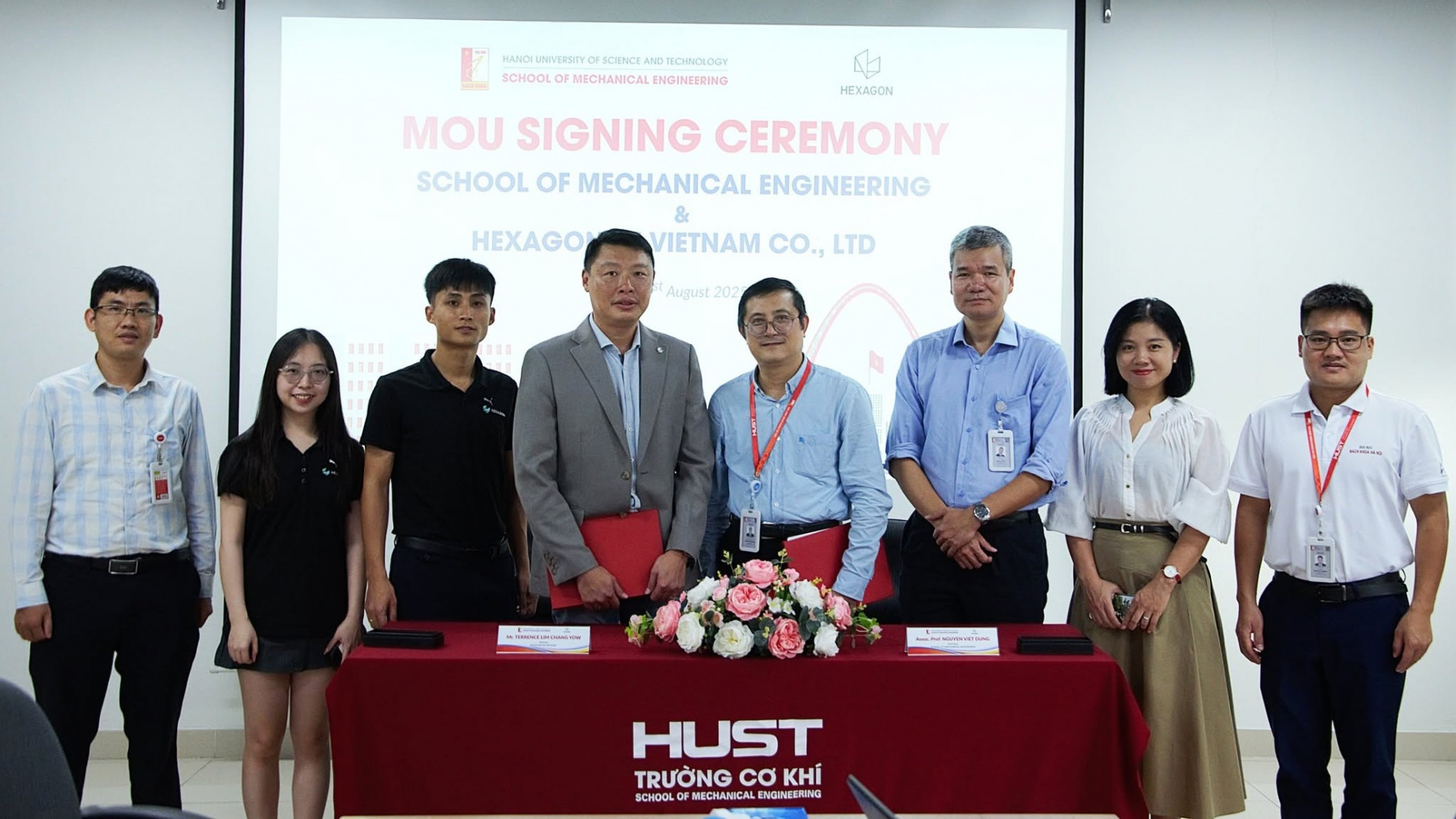 |
Enterprises sponsoring advanced software for lecturers and students to serve training and research.
This collaborative model establishes a well-connected educational ecosystem. Within this ecosystem, students are the direct beneficiaries, gaining early access to new technologies, enhancing vocational skills, developing research capacity, and broadening career opportunities upon graduation.
Expanding Cooperation for High-Quality Digital-Age Training
Moving forward, the Department of Mechanical and Manufacturing Engineering will continue to drive the Metal Forming Specialization to strengthen alliances with both domestic and foreign enterprises. The primary focus will remain on updating applied curricula, linking research with manufacturing realities, and expanding academic competitions as well as international exchange programs for students.
With a student-centered philosophy, this tight integration serves as a solid foundation for the Department to train future generations of engineers who possess deep technical expertise and innovative mindsets, fully prepared to adapt to and master evolving technologies in smart manufacturing.
Author: PhD. Dinh Van Duy - Department of Mechanical and Manufacturing Engineering
Reader Comments
Newer articles
Older articles